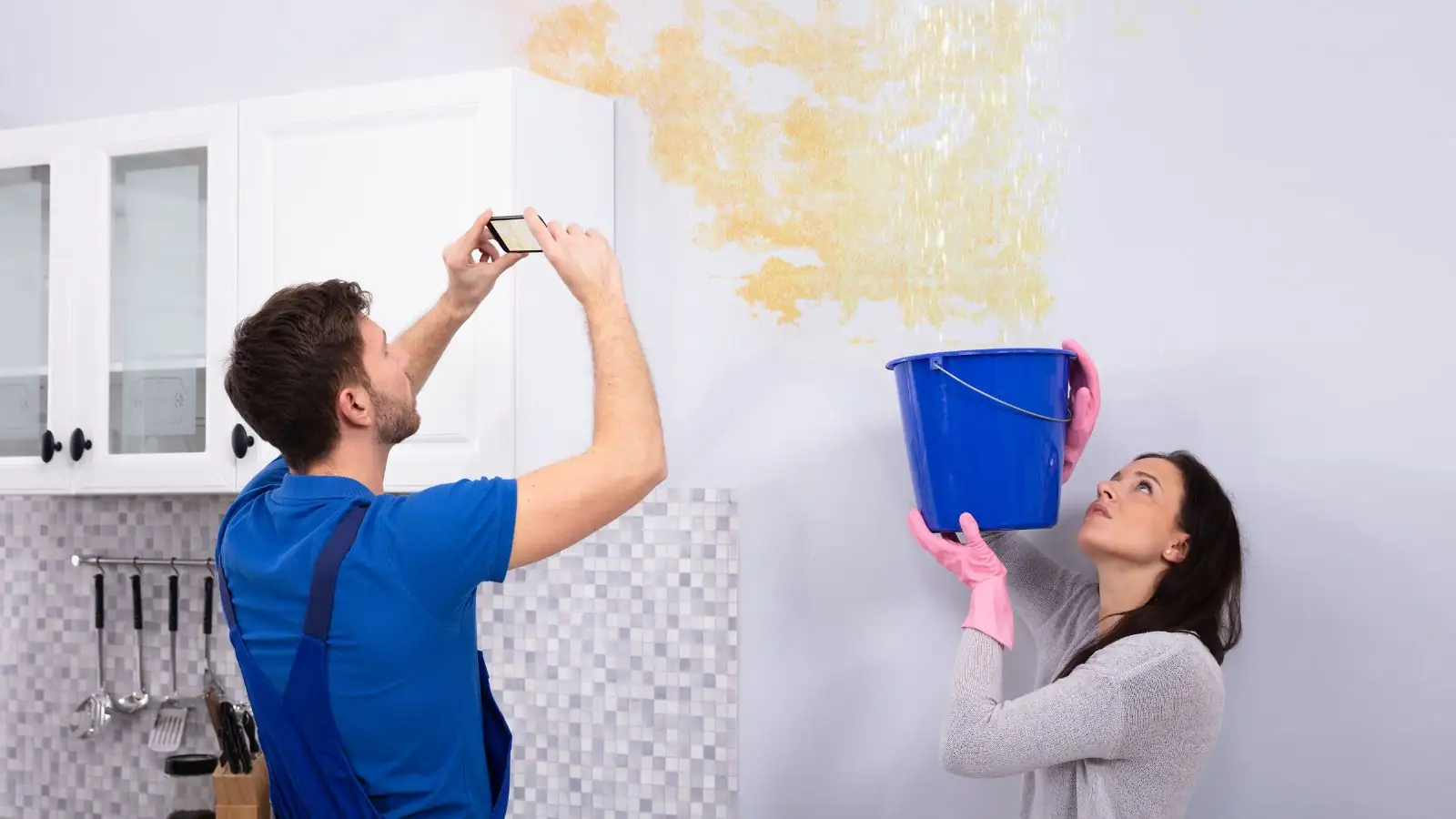
Renters insurance covers water damage to your belongings when the cause is sudden and accidental, such as a burst supply line or an overflowing washer. It does not cover the building itself. The Utah Insurance Department says renters policies primarily protect personal property and personal liability and do not provide coverage for the dwelling.
So a leak in your American Fork apartment usually creates two separate claims. Your things go to your insurer, and the walls, floors and ceiling go to the landlord and the landlord's insurer. This guide explains who pays for what, what to do in the first 24 hours and what paperwork protects you.
What a renters policy pays for
A renters policy has three jobs: replace or repair your personal property, cover your liability if you cause damage to others, and in many cases pay for temporary housing. Water events that are sudden, like a pipe that bursts overnight, are often covered. A slow drip behind a toilet that went on for months often is not.
| Item damaged | Usually handled by | Why |
|---|---|---|
| Your sofa, bed, clothing, electronics | Your renters policy | Personal property is its main purpose |
| Drywall, ceiling, flooring, cabinets | Landlord and landlord's insurer | The dwelling is not covered by a renters policy |
| Damage you accidentally cause to a neighbor's unit | The liability part of your policy | Personal liability is covered in most policies |
| Hotel or temporary housing | Depends on the loss of use terms | Limits and triggers vary by policy |
| Flood from rising water outside | A separate flood policy, if you have one | Basic renters policies do not cover flood |
| Slow leak over many months | Often excluded by both policies | Gradual damage is treated differently from sudden damage |
The Utah Insurance Department also notes that basic homeowners and renters policies do not cover flood losses, and that standard flood policies usually have a 30-day waiting period. If you rent a ground-floor or basement unit, a flood policy bought after the water arrives will not help.
What the landlord owes you
Under the Utah Fit Premises Act (Utah Code Title 57, Chapter 22), owners must keep rentals safe, sanitary and fit, including plumbing and hot and cold water in operable condition. A renter gives written notice of the problem, and the owner generally has three calendar days to correct a habitability issue. Statutes change. Read the current text at le.utah.gov or ask a tenant resource before relying on that timeline.
The statute does not mention renters insurance, and that matters. A landlord's duty to repair the unit exists whether or not you carry a policy. Your policy and your landlord's duty are two separate things that happen to arrive on the same day.
Your first 24 hours after a leak
Stop the water
Shut the valve under the fixture or the main shutoff for the unit. If you cannot find it, call the landlord or property manager right away.
Make it safe
Turn off power to wet areas only if you can reach the panel without standing in water. Stay out of a room where the ceiling is sagging.
Photograph before you move anything
Take wide shots and close shots of the source, the wet surfaces and every damaged item.
Notify the landlord in writing
Send a text or email the same day describing what happened and when. Keep a copy.
Call your insurer
The Utah Insurance Department advises calling your insurer or agent as soon as possible and taking temporary steps to prevent further damage.
Start drying
Lift wet items off the floor, open windows if the weather allows and run fans. Remove soaked rugs and bedding.
The EPA says to dry water-damaged areas and items within 24 to 48 hours to prevent mold growth, and to discard anything wet for longer that cannot be dried. A crew offering water damage cleanup can pull standing water and start drying the same day, which also limits what your belongings absorb.
Documentation that protects you
Keep these in one folder
- Dated photos and video of the source, the damage and the whole room
- A list of damaged belongings with brand, age and approximate value
- The written notice you sent the landlord, with the date and any reply
- Receipts for fans, storage, cleaning supplies, meals and lodging
- The claim number and the name of each person you speak with at the insurer
- A copy of your lease and your policy declarations page
The Utah Insurance Department also says to keep receipts and not to have permanent repairs made until the insurer has inspected. In a rental the second part usually does not apply to you, since the landlord controls the structure, but it applies to your own property. Do not throw out a damaged item until the adjuster has seen it or approved disposal.
When the landlord's insurance matters
The landlord's policy covers the building. If the leak started in the unit above yours or in a shared line, the owner may file a claim for the structure, and that claim does not pay for your sofa. Ask the property manager whether a claim has been opened and who the adjuster is, so your photos and theirs line up.
Mitigation matters more than blame at the start. Drying quickly with water mitigation keeps a repair small, which helps everyone, including the owner's deductible. Ask the landlord who has authority to hire the crew, because tenants generally should not order work on the structure themselves.
What we do and do not do
We dry and clean up water damage, and we explain what we find in plain language. We do not decide who is at fault, and we do not tell you what your insurer will approve. Questions about coverage belong with your insurer, and questions about your rights belong with a tenant resource or an attorney.
Water in your rental right now?
Call dispatch and a licensed and insured crew can talk you through the first steps.
Common questions from renters
Usually not. The Utah Insurance Department says renters policies primarily protect personal property and personal liability and do not provide coverage for the dwelling. The building's repairs fall to the owner and the owner's insurance.
Your own renters policy is often the fastest route for belongings, if the cause is a sudden and accidental event. The liability part of a neighbor's policy may also respond, but that depends on fault and on the wording of both policies, so ask each insurer.
Many policies include some form of additional living expense coverage, but the trigger and the limits vary. Read the section on loss of use in your policy and ask your insurer before you book anything.
That is a legal question, and the answer depends on your lease, the cause and the move-out inspection. Keep your written notices and photos, and ask a tenant resource or an attorney about your specific case.
Ask for the denial in writing and compare it to your policy language. The Utah Insurance Department takes complaints online, which it says usually takes three to four weeks, and its number is (801) 957-9305. It cannot settle disputes the way a court does.
Yes. Census QuickFacts estimates that 65.8 percent of American Fork households are owner-occupied, so roughly one in three households rents. Landlords and tenants here deal with leaks every year, and the same sequence of notice, photos and a call to the insurer applies.
Water still spreading or a question this page did not cover? Call (385) 988-9410