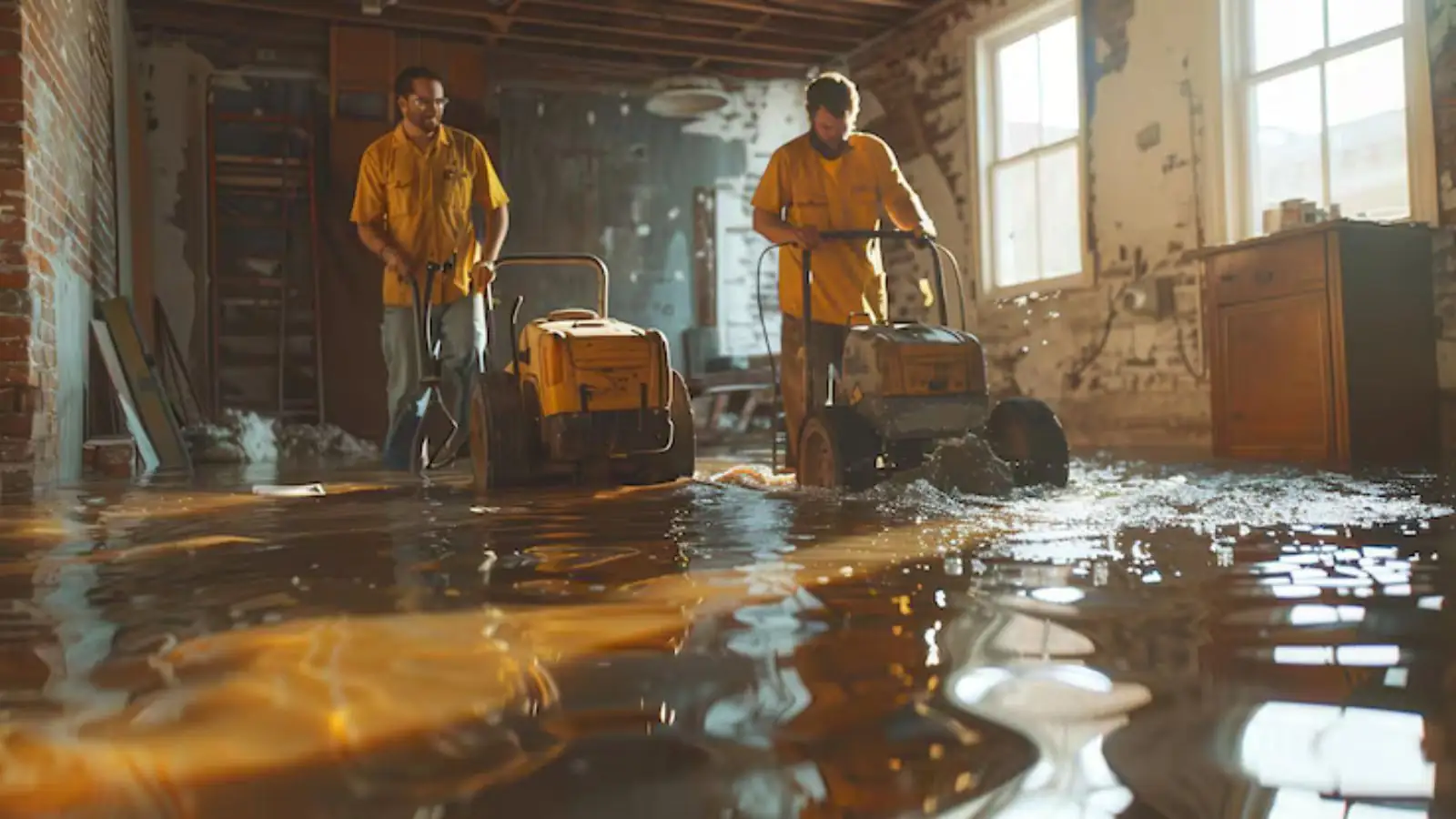
Emergency water damage cleanup begins once the water source is stopped. A crew removes wet debris, pulls out materials that cannot be saved, washes and sanitizes what stays and prepares the structure for drying. In American Fork this is most often called for after a supply-line failure, an appliance leak or a backup.
The first 48 hours are the part to take seriously. The EPA recommends discarding anything wet for more than 24 to 48 hours that cannot be dried, and cleanup that starts that day has the best chance of saving flooring and furniture. Our dispatch line is open 24/7, and a crew can often be sent the same day when one is available.
Clean, gray or contaminated: what the water category means
How the water got into your home decides what cleanup involves. Industry practice under ANSI/IICRC S500 sorts water into three categories, and the EPA, citing that standard, describes them in the table below. The category can worsen as time passes, which is another reason not to wait.
| Category | Source | Cleanup approach |
|---|---|---|
| Category 1 | A sanitary source such as a supply line | Extract, dry and clean. Most materials survive if handled quickly. |
| Category 2 | Significantly contaminated, such as a washing machine drain | Remove porous materials, clean and sanitize hard surfaces. |
| Category 3 | Heavily contaminated, such as sewage or floodwater | Stay out, call a professional, remove and discard exposed porous materials. |
What cleanup includes
Remove debris and wet contents
Ruined items and loose debris go out first so crews can reach the surfaces.
Cut out unsalvageable material
Soaked carpet pad, insulation and drywall come out along a clean line.
Wash and sanitize
Hard surfaces and framing are cleaned with detergent and disinfected where the category calls for it.
Deodorize and verify
Odor sources are removed and moisture readings confirm the area is ready to dry.
A local detail that changes the category
American Fork runs a pressurized irrigation system for outdoor use, and the Utah Department of Health and Human Services says secondary water is not treated and may contain harmful germs. If a broken irrigation line wet your basement, do not treat it as clean water. Tell the crew so the wet materials are removed and sanitized correctly.
Wet materials sitting in the house?
Call dispatch now. The sooner they come out, the more of the room survives.
Safety before cleanup
Do not wade through water that touches outlets, appliances or the electrical panel. Cut power only if you can reach the panel without standing in water, and call the utility or 911 before calling us if you smell gas or see sparks. For sewage or floodwater, the CDC says the best protection is to stay out of the water.
Documenting the loss
Insurers ask what was wet and what was removed, so cleanup is documented as it happens. The crew photographs affected areas, notes the materials removed and records moisture readings. The Utah Insurance Department advises keeping receipts for emergency repairs and waiting for the insurer's inspection before permanent repairs, which is why cleanup and repair are kept as separate steps.
What decides the price
| Factor | How it affects the price |
|---|---|
| Water category | Contaminated water adds protective equipment, removal and sanitizing |
| Volume of debris | More material means more labor and disposal |
| Affected materials | Porous materials are removed, and removal takes longer around finished surfaces |
| Access | Crawl spaces and finished basements take longer to clear |
| Follow-on work | Drying and repair are scoped on their own |
The scope and price are explained before work starts. If you need a number sooner, call (385) 988-9410 and describe the rooms, the water source and how long it has been wet.
How cleanup fits with drying and repair
Cleanup does not replace drying. After debris and ruined materials are out, water mitigation pulls moisture from what remains, and water damage repair rebuilds the finishes. If the cause was a sewer backup or river rise, read about flood damage restoration. The same sequence applies for homeowners in Alpine.
Stay safe while you wait for the crew
- Turn off power to wet areas at the breaker only if you can reach the panel without standing in water
- Stay out of rooms with sagging ceilings and standing water that touches outlets
- Do not use a household vacuum on water, and keep children and pets away from the wet area
- Wear gloves and boots if water may be contaminated, and wash your hands afterward
- Take photos before moving anything, since your insurer will ask for them
Questions about water damage cleanup
Yes. Dispatch is answered 24/7. Cleanup is time sensitive because wet materials start to smell and grow mold within days, so we do not hold calls until morning.
The CDC says to throw away items that cannot be disinfected, such as wall coverings, cloth, rugs and drywall that contacted contaminated water. The EPA says to remove and discard anything that has been wet for more than 24 to 48 hours when it cannot be dried. Solid wood and hard surfaces are usually cleaned and kept.
Small clean-water spills are often manageable. When the water came from a sewer, a toilet overflow or a flood, the EPA advises calling a professional with experience cleaning buildings damaged by contaminated water.
Odor comes from wet materials, not from the air, so removing and drying them is what clears it. Deodorizing follows once the source material is gone.
Yes. Those are some of the most common causes. The water is typically clean at first, so speed matters more than anything else.
Often yes. Hard items are cleaned and dried, while paper, soft furnishings and items that wicked up contaminated water are usually discarded. The crew lists what was removed so you have a record for your insurer.
Water still spreading or a question this page did not cover? Call (385) 988-9410