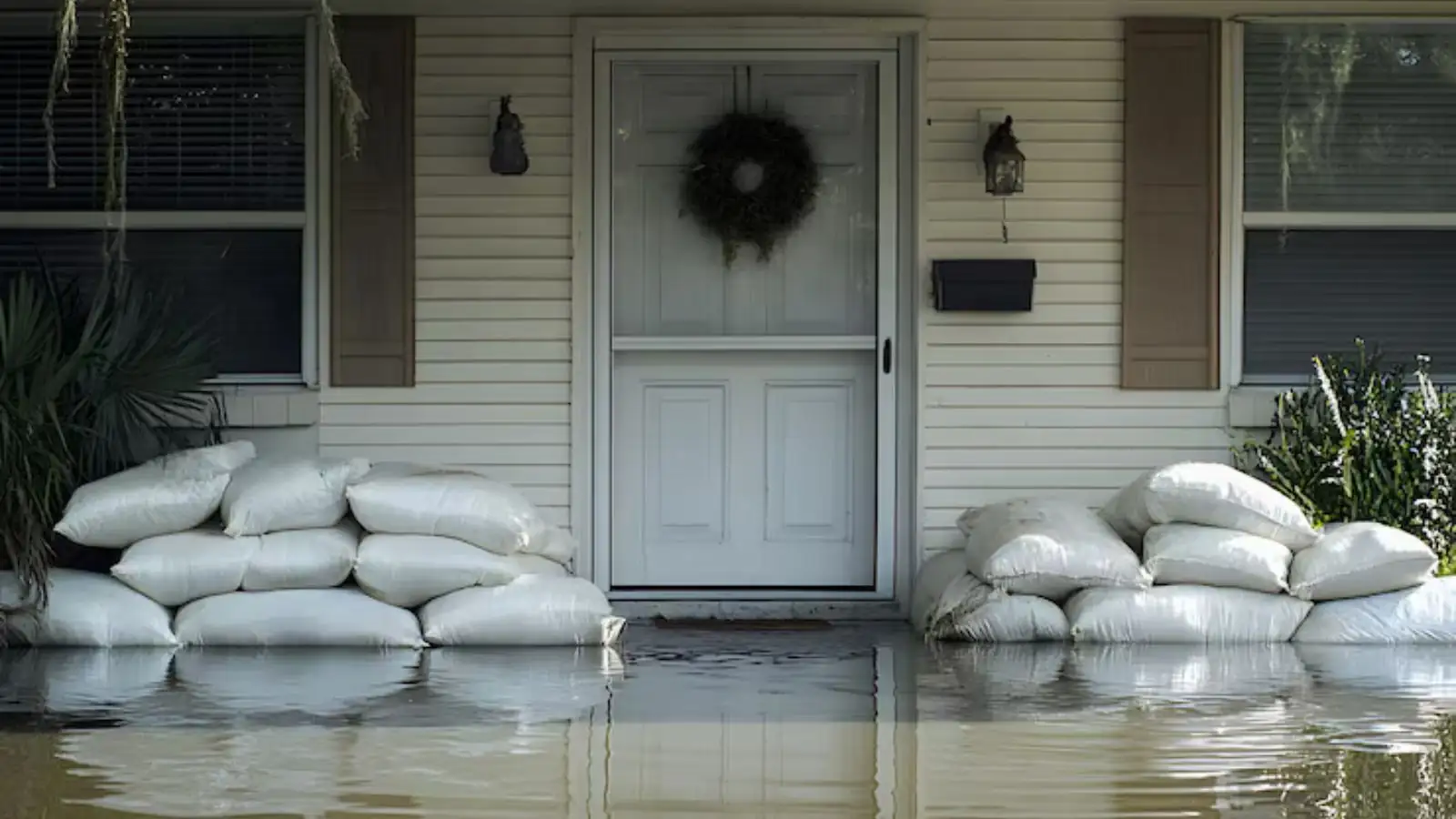
Standard homeowners insurance in Utah usually does not cover flood, water that backs up through drains or sewers, storm water that enters with no damage to the roof or walls, or damage from a slow leak that went unrepaired. Some of these can be added by endorsement or a separate policy. This guide explains each gap in general terms so you know what to ask before a loss, not after.
Nothing here is a coverage decision. Every policy is different, and only your insurer can say what yours pays. We are a restoration company, not an insurance adviser, and we cannot promise how any claim will turn out.
Where standard policies usually draw the line
| Water event | Typically | What may change it |
|---|---|---|
| Flood from rising water | Not covered | A separate flood policy or an endorsement |
| Sewer or drain backup | Not covered on most policies | A water backup endorsement if offered |
| Storm water inside, roof and walls undamaged | Not covered on most policies | Damage to the roof or walls from the storm |
| Burst pipe, sudden and accidental | Often covered | Policy wording and your deductible |
| Frozen pipe from negligence | May not be covered | Heat maintained, water shut off when away |
| Slow leak over time | Often not covered | Whether the leak was sudden or gradual |
The table is a map of common patterns, not a promise. Use it to decide which sections of your policy to read first.
Flood and the 30-day wait
The Utah Insurance Department says flood, earthquake, earth movement and mudslide are typically not covered on a homeowners policy, though coverage can be added by endorsement or a separate policy. Basic homeowners and renters policies do not cover flood losses.
Timing matters because standard flood policies usually have a 30-day waiting period. A policy purchased when a river is rising will likely not respond to that event, so the decision has to be made well before spring. After a flood, flood damage restoration handles the drying and removal, not the insurance.
Sewer and drain backup
Water that comes up through a floor drain, shower or toilet from a blocked or overloaded line is a backup, not a leak. The department lists water damage from backed-up drains or sewers among losses not covered under most standard homeowners policies. An endorsement may be offered for it, usually with its own limit.
This kind of water is also a contamination and cleanup concern. The EPA says that for sewage or contaminated water you should call a professional with experience, and the CDC advises throwing away items that cannot be disinfected, such as wall coverings, cloth, rugs and drywall. Take photos before anything is removed.
Storm water with no roof or wall damage
If rain enters through a window well, a basement wall or a failed seal and the storm did not damage the roof or walls, the department says most standard policies do not cover the interior water damage. A tree through the roof is a different event from groundwater seeping through a foundation.
Document how the water got in. A photo of a torn shingle, a cracked wall or a window well full of water helps your insurer see which category the loss falls in.
Frozen pipes, slow leaks and neglected maintenance
Frozen pipes may not be covered if the damage is due to negligence, according to the department. Leaving a house unheated while you are away, or ignoring a known exposed pipe, are examples insurers may point to. The wording on what counts as negligence varies by policy.
Gradual leaks are another common gap. A dripping supply line under a sink, a failing washing machine hose or a shower pan that has seeped for months is usually treated as a maintenance matter, while a sudden and accidental burst is treated differently. In general terms, insurers expect owners to find and fix ordinary wear. Check your policy and ask your insurer where the line falls.
Endorsements and separate flood policies
- A water backup endorsement may add limited coverage for drains and sewers.
- A flood policy is a separate product, with the waiting period noted above.
- A renters policy covers your belongings and liability, not the dwelling.
- A higher deductible lowers premium but means small losses may come out of your pocket.
How to read your own policy
Questions to answer from your declarations page and policy text
- What is my deductible, and is there a separate one for certain water losses?
- Does the policy define sudden and accidental, and how does it describe gradual leakage?
- Is there a water backup endorsement, and what is its limit?
- What does the policy say about freezing, and what steps must I take when the home is empty?
- Is flood excluded by name, and do I hold a separate flood policy?
- What are the deadlines for reporting a loss and filing a proof of loss?
Read these sections now, while nothing is wet. A phone call to your agent takes minutes, and the answers are easier to hear when you are not standing in water.
Claim steps that Utah guidance recommends
- Call your insurer or agent as soon as possible.
- Take temporary steps to prevent further damage, such as shutting off the water and having standing water removed.
- Photograph everything before you move or discard it, and keep every receipt.
- Do not have permanent repairs made until the insurer has inspected the property.
- Keep a written log of calls, names and dates.
Extraction and drying are the kind of temporary steps that prevent further damage, and water damage cleanup can start while you wait for the adjuster. Ask any company whether its crews work to ANSI/IICRC S500. We do not decide coverage or speak to your insurer for you.
If you disagree with a claim decision
The Utah Insurance Department accepts complaints online, and the process usually takes three to four weeks. The department cannot settle disputes like a court, so it is a way to have your concern reviewed, not a replacement for legal advice. Its phone number is (801) 957-9305.
Water in the house right now?
Call dispatch while you phone your insurer. Drying should start within the 24 to 48 hours the EPA recommends.
Common questions about uncovered water damage
Sudden and accidental pipe bursts are often covered, but policies differ, and frozen pipes may not be covered if the damage is due to negligence. Read the water damage section of your policy and ask your insurer how it treats your situation.
The Utah Insurance Department says water damage from backed-up drains or sewers is not covered under most standard homeowners policies. Some insurers sell a water backup endorsement, so ask whether your policy has one.
Yes, within reason. Utah guidance says to take temporary steps to prevent further damage and keep receipts. Take photos first, then have wet materials extracted and dried so mold does not set in while you wait.
Rarely in time. The Utah Insurance Department notes that standard flood policies usually have a 30-day waiting period, so coverage bought today generally does not apply to a storm next week.
No. Renters policies primarily protect personal property and personal liability and do not cover the dwelling itself. Your landlord's policy is a separate matter, and flood losses are not covered by basic renters policies.
A 2024 state notice says updated FEMA maps changed floodplain boundaries for American Fork and may affect future building standards and insurance requirements. Look up your address at the FEMA Flood Map Service Center and ask your agent what applies.
Water still spreading or a question this page did not cover? Call (385) 988-9410