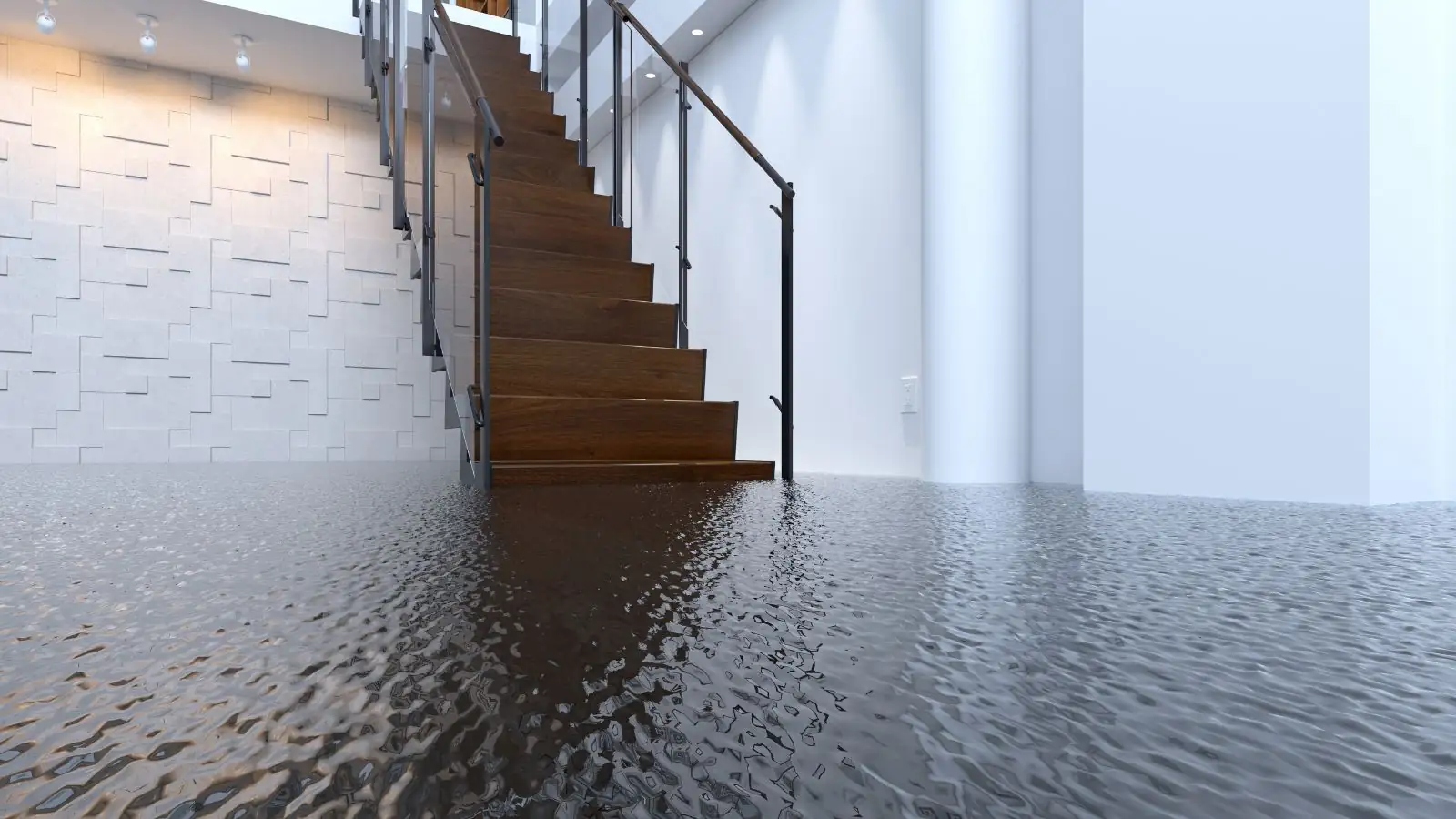
Water reaches an office, shop, storage unit or other commercial space the same ways it reaches a home: a failed supply line, a leaking roof, a drain backup or a discharged fire sprinkler. The difference is the setting.
Walls and ceilings are often shared, equipment sits on the floor, and several parties have a say in what happens next. American Fork had 33,337 residents at the 2020 Census. Wherever commercial space shares walls, floors or ceilings, one wet suite can affect its neighbors.
Water sources in a commercial building
Supply lines, drains, rooftop units and roof leaks are the usual starting points. Sprinkler discharge deserves its own mention because it releases a lot of water quickly. The Utah State Fire Marshal rule R710-5 requires sprinkler systems to be inspected annually by registered persons, and it calls for a red tag when a system is impaired. Only the local fire authority can remove that tag.
American Fork Fire Prevention inspects businesses annually, according to the city. If a sprinkler head goes off, call 911 first when there is a fire, then deal with the water.
What you see and what it means
- Stained ceiling tiles: water is moving above the ceiling and may have soaked insulation.
- Bubbling paint or peeling wallpaper on a shared wall: moisture is passing into the neighboring suite.
- Carpet that squishes underfoot: the pad and slab are holding water.
- A musty smell in a closed storage room: damp materials have been sitting.
Who decides and who pays
Responsibility depends on the building. The owner, the tenant and a property manager may each control a different part of the space. Read your lease to see who handles repairs and who carries building insurance, then call the insurer. We cannot give legal advice, and we do not settle disputes between owner and tenant.
What we can do is talk with the building manager or owner and the insurer's adjuster about the water work. We share what we find so the people who decide have the same information.
Safety in the first hour
First steps in a wet commercial space
- Find the water shutoff for the suite or building and close it if a supply line is the source.
- Stay away from outlets, power strips and floor-level equipment, and shut off power to wet areas only if the panel is dry.
- Block off slippery floors so staff and visitors do not walk through.
- Move records and electronics to a dry spot if it is safe to do so.
- Call the building manager, then call (385) 988-9410.
If the water came from outside or from a drain, treat it as unsafe and read about flood damage restoration or sewage backup cleanup. Keeping people out of wet areas matters more than keeping the doors open.
Stay safe while you wait
- Keep people out of rooms where water touches outlets, panels or equipment
- Do not walk on ceiling tiles or under sagging ceilings
- Move records and electronics to a dry area only if it is safe to do so
- Take photos of the damage and note the time you found it
Water in your space?
Call and describe the room, the source and how far the water has spread.
How we handle the water work
Assess and scope
We trace where the water went, map wet areas with moisture meters and a thermal camera, and record the findings.
Extract
Pumps and extraction units remove standing water from floors and low spots.
Remove wet finishes
Soaked carpet, ceiling tiles, baseboards and drywall come out when they cannot dry in place.
Dry and clean
Air movers and dehumidifiers dry the structure, and we clean the surfaces we remove.
Document
Photos, moisture logs and notes go to the building manager and the adjuster.
The drying plan follows ANSI/IICRC S500, the reference standard for professional water damage restoration. Our water mitigation page explains the same work in a residential setting.
Repairs, permits and what we do not do
We do not do plumbing repair, roofing or electrical repair. Those belong to the right trade. The city says a permit is required to repair or replace plumbing, mechanical, gas or electrical systems, so a contractor should check with the Building Department before work starts.
Business interruption is an insurance question. Ask your insurer what your policy provides for lost income or a temporary closure, and keep records.
What changes the cost
| Factor | Why it matters |
|---|---|
| Square footage wet | More area needs more equipment and more drying days. |
| Material type | Carpet tile, drywall and concrete dry at different rates. |
| Source of water | Clean supply water and sewage need different handling. |
| Shared walls and ceilings | Neighboring suites may need to be checked too. |
| Working hours | Work near active tenants may need to be scheduled around them. |
Insurance and records
Policies differ for the owner, the tenant and the business. Ask the insurer what applies, and do not make permanent repairs before they have inspected. Keep photos, receipts and a list of damaged items.
We serve Pleasant Grove and Lehi too.
Questions about commercial water damage
Yes. Dispatch answers around the clock, and a crew can be sent the same day when one is available. Call as soon as you find water, and shut off the supply if you can do so safely.
It depends on the lease and the insurance carried by the owner and the tenant. Read the lease, call the insurer and keep records. We cannot give legal advice.
Shared walls and ceilings mean more than one party may be involved. Call the building manager, and we can scope the water in your suite.
Call 911 if there is a fire. After that, we handle extraction and drying of the discharged water, and the local fire authority handles the sprinkler system and any red tag.
The city says a permit is required to repair or replace plumbing, mechanical, gas or electrical systems. Ask the Building Department before the work starts.
Yes, we share our documentation with the adjuster and the building manager. The coverage decision stays with the insurer.
A wet suite gets harder to dry every hour. Call and we will help you sort out the first steps. Call (385) 988-9410