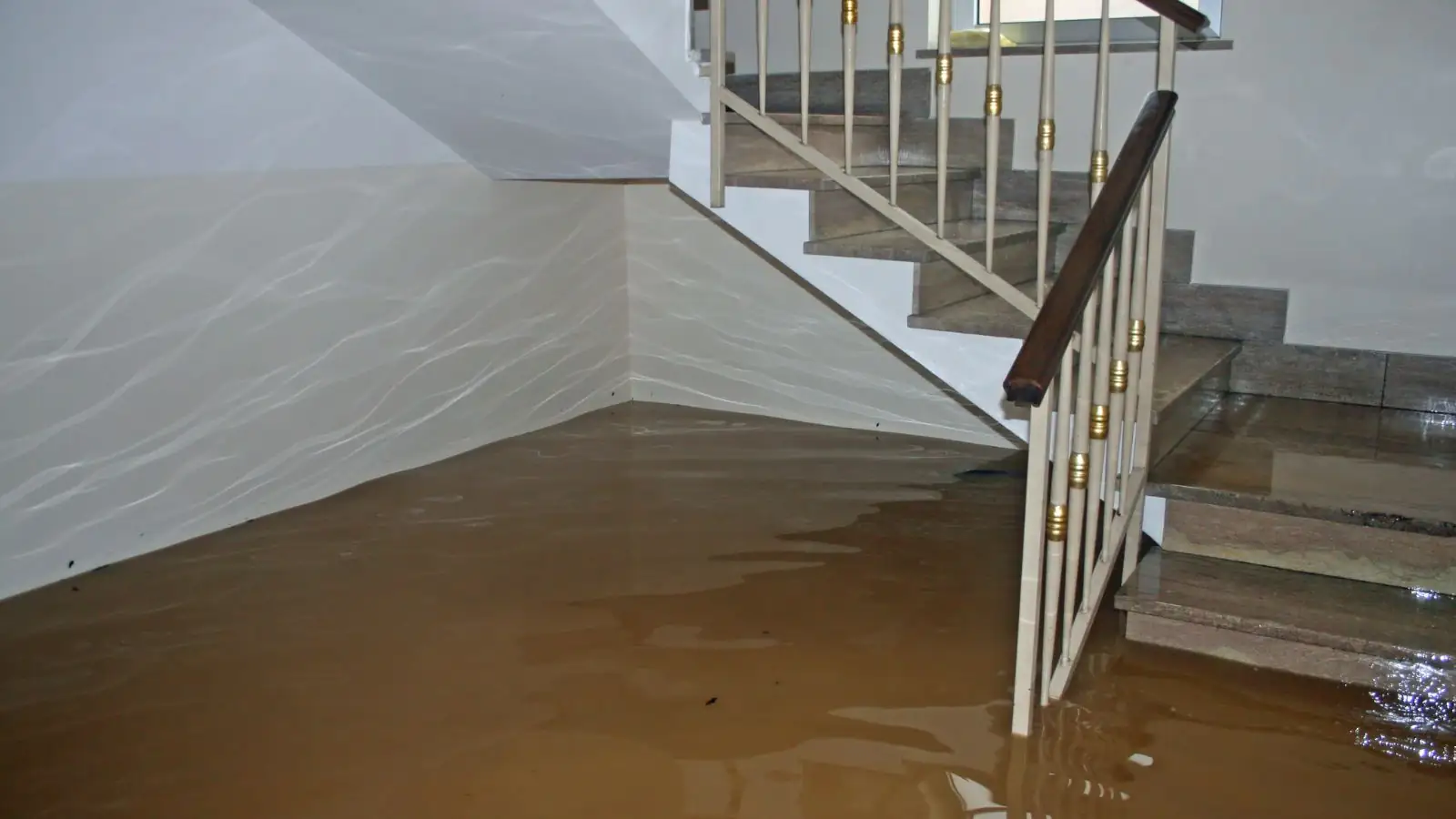
A sewage backup happens when wastewater has nowhere to go and rises through the lowest opening in the house. Because water seeks the lowest opening, that is often a basement floor drain, a basement shower or a tub.
The cause can be a clog in your own line, tree roots in an older lateral, or a blockage further down in the city main. Either way, what comes up is Category 3 water, which carries bacteria and is unsafe to touch.
Where backups start and who owns the pipe
The line from your house to the street is your private lateral. The city owns and maintains the local sewer lines under the street, according to the Timpanogos Special Service District, which handles the larger trunk lines and the treatment of the flow. The district tells residents to call the city when a backup happens, so start there if every drain in the house is slow at once.
If only one fixture backs up, the clog is more likely inside your own plumbing. A plumber can camera the line and tell you which side the blockage is on. We do not repair or clear pipes. Our part begins once the water is in the house.
What you are seeing and what it means
- Gurgling toilets or tubs and a sewer smell: air is being pushed back through a blocked line.
- Dark water in a floor drain or shower pan: the backup has started and the lowest fixture will spill first.
- Water that returns after you clear a fixture: the blockage is still in the line, so stop using water.
- Damp carpet or a musty smell near a basement bathroom: sewage may have soaked in before anyone noticed.
Safety first: the first hour
Stay out of the wet area if you can. Keep children and pets away, and do not wade through standing water. The CDC advises avoiding contact with contaminated water, and gloves, boots and a mask are the minimum if you must go in.
Do these things in order
- Stop running water. Do not flush, do laundry, run the dishwasher or use sinks until the line is cleared.
- Shut off power to the wet area at the panel only if the panel is dry and you can reach it without stepping in water.
- Do not mix bleach with other cleaners, because the fumes can be dangerous in a closed basement.
- Open windows if the air feels heavy, and keep wet shoes out of clean rooms.
- Call the city about the main, then call (385) 988-9410 for extraction and cleanup.
Sewage in the house?
Call now so the water is out before it soaks into more of the structure.
How we clean up a sewage loss
The work follows the same drying logic as any loss, with stricter rules because of the contamination. ANSI/IICRC S500 is the reference standard for this kind of water, and it treats Category 3 materials as ones that usually cannot be saved if they are porous.
Contain
We seal off the affected area with plastic sheeting so contaminated air and foot traffic do not spread to clean rooms.
Extract
Pumps and extraction units pull the standing water out, and we haul it away rather than draining it into the house.
Remove porous materials
Carpet, pad, wet drywall and insulation below the water line are cut out and bagged, because they cannot be made safe again.
Sanitize
Hard surfaces such as concrete, tile and framing are cleaned and treated with antimicrobial products.
Dry
Air movers and dehumidifiers pull moisture from the framing and slab while the area stays contained.
Verify
Moisture meters and a thermal camera confirm that the structure has returned to a normal reading before containment comes down.
Once the structure is dry, rebuilding finishes such as drywall, trim and flooring is a separate phase. Mold can follow wet materials left in place, so see mold remediation if the loss sat for several days.
What changes the cost
| Factor | Why it matters |
|---|---|
| Area affected | A single bathroom takes less labor than an entire finished basement. |
| Materials soaked | Carpet and drywall must be removed, while concrete can be cleaned in place. |
| How long it sat | Older losses spread further into framing and need more drying time. |
| Rebuild scope | Replacing flooring and walls is billed apart from cleanup. |
Insurance and the sewer backup question
The Utah Insurance Department says that water damage from backed-up drains and sewers is not covered under most standard homeowners policies. That makes this a call worth making early. Ask your insurer whether your policy has an endorsement for sewer or drain backup, and what it requires.
Policies differ, so we cannot tell you what yours will do. Take photos before cleanup and keep receipts. A backup caused by a street flood is a different question from a clogged lateral, and your insurer decides which applies.
Mistakes to avoid
- Using a shop vacuum on sewage, which can spray contaminated mist and ruin the motor.
- Keeping wet carpet because it looks clean after the water drains.
- Flushing again to test the line before it has been cleared.
- Putting the wrong items down the toilet. The district says only human waste and toilet paper belong there, and that wipes sold as flushable do not break down the way paper does.
If the backup came from a flooded neighborhood or rising creek, our flood damage restoration page covers that case, and our emergency water removal service handles clean standing water. We serve homes in Lehi and Pleasant Grove as well.
Questions about sewage backup cleanup
Yes. The dispatch line is answered 24/7, and we offer same-day response when available. Call as soon as you see sewage so the extraction can start before it soaks into more materials.
Call the city if several drains back up at once, since the main may be involved. If only one fixture is affected, a plumber can find the blockage. Then call us for the water that is already in the house.
Small spills on a hard floor can be handled with gloves, boots and a mask, but anything that reached carpet, drywall or a larger area is better left to professionals. Contaminated materials need proper disposal.
The Utah Insurance Department says backed-up drains and sewers are not covered under most standard policies. Ask your insurer about an endorsement and keep records of everything.
Extraction and removal usually happen in the first visit. Drying commonly takes several days, and we confirm with meter readings before containment comes down.
No. Pipe clearing and repair belong to a plumber. We handle extraction, cleaning, sanitizing and drying inside the house.
Sewage should not sit in your house overnight. Call and we will talk through what to do next. Call (385) 988-9410