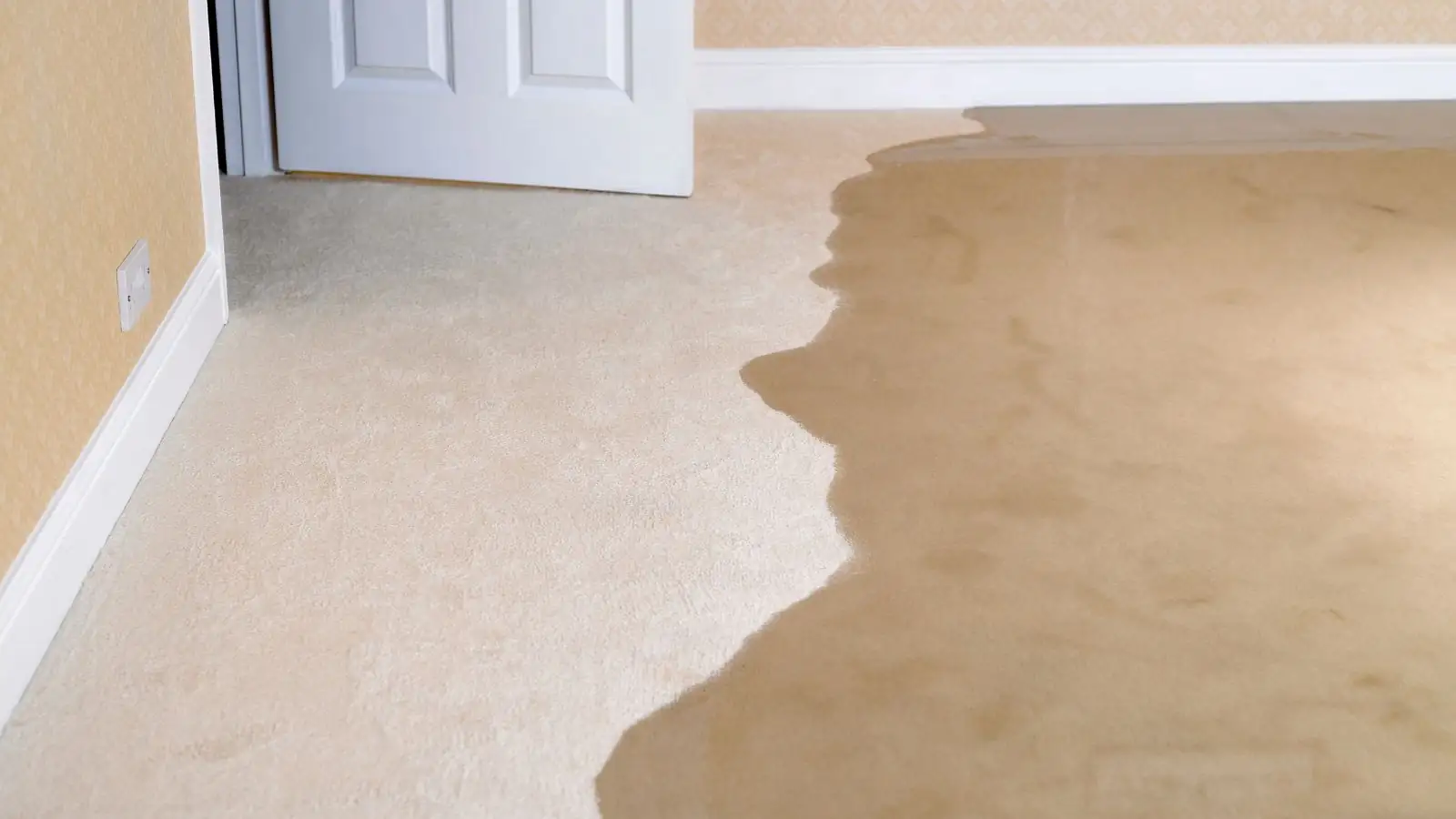
Wet carpet shows up in finished basements, bedrooms and halls. Common routes are a water heater or supply line leak, a window well that overflowed in spring runoff, and a washing machine hose. The surface fibers dry fast, but the pad underneath acts like a sponge and holds water long after the top feels normal.
Carpet, pad and floor: three layers, three fates
Carpet is a woven or tufted face fixed to a backing. Under it sits foam or fiber cushion, and under that a wood subfloor or a concrete slab. Water that soaks the face travels down into the pad, then spreads sideways along it, which is how a small spill becomes a room-wide problem.
The category of the water drives the decision. Clean supply water (Category 1) caught fast often lets us save the carpet, though the pad is frequently replaced. Water that sat for days or carried dirt is treated differently. Carpet and pad that took in contaminated water such as sewage or floodwater are discarded, because they cannot be made clean again. Our sewage backup cleanup page covers that case.
Save, replace or discard
- Carpet after clean water, caught early: often dried in place or lifted, dried and re-laid.
- Pad after clean water: often replaced, since foam holds water and is hard to dry evenly.
- Carpet and pad after sewage or floodwater: discarded.
- Carpet that stayed wet for days or already smells musty: replacement is more likely.
What you see, feel and smell
You can check a room without tools. Stand on a dry towel pressed flat on the carpet. If it comes up damp, water is in the carpet or pad. Press the carpet near a wall and feel for water, which is the pad squish test. Check the edges along baseboards, since that line dries last. A musty smell, a darker patch or a clammy feel all point to moisture in the layers.
These checks only show that moisture is present. A meter tells us how much, and how far, which is why we measure before we decide what to lift.
First-hour safety steps for wet carpet
Shut off the water
Close the fixture valve, or the main shutoff where the line enters the house. If the water came from outside or from a drain, stop using the fixtures until it is sorted out.
Check the power
Do not walk on wet carpet near outlets, floor lamps or power strips. Turn off the breaker for the room if water reached a receptacle or an extension cord.
Lift furniture and belongings
Move small items to dry ground. Put foil or plastic blocks under heavy furniture legs, since wood stain can bleed into carpet.
Document the damage
Photograph the carpet and any water line on the walls. The Utah Insurance Department says to photograph the damage and call your insurer as soon as possible.
Call
Call (385) 988-9410 and describe where the water came from.
How we dry carpet and pad
We start with extraction. A water extraction wand pulls standing water out of the face and pad, and a second pass removes more. The EPA remediation guide lists the same trio for carpet and backing: an extraction vacuum, a dehumidifier to cut room humidity and fans to speed drying, with a target of 24 to 48 hours.
Next we lift a corner of the carpet and pull it back from the tack strip to check the pad and floor. Wet pad is usually removed. The carpet is dried with air movers aimed under it. Antimicrobial treatment is used only when the water category calls for it. Once the floor is dry we re-stretch and re-lay the carpet over new pad.
Carpet over concrete in a finished basement needs extra care. The slab can hold moisture, so we read the concrete as well as the carpet before it goes back down. A wood subfloor gets the same check. The reference standard for professional water damage restoration, ANSI/IICRC S500, sets the dry-goal idea we follow: match readings in unaffected areas of the same home.
Unsure if the carpet can be saved?
Describe where the water came from and how long it sat, and we will tell you what to check first.
What changes the cost of carpet work
| Factor | Effect on the work |
|---|---|
| Water category | Clean water allows drying in place. Contaminated water means removal and disposal. |
| Hours since the leak | The EPA says mold can grow on carpet that stays wet for more than 24 hours. |
| Area and stretch | Larger rooms need more air movers, and carpet that must be lifted adds labor. |
| Pad replacement | New cushion and re-stretching add materials and time. |
| Floor beneath | Wood and concrete layers must be dried and read before carpet returns. |
Insurance fit for carpet losses
Policies differ on sudden leaks, gradual seepage, flood and sewer backup. The Utah Insurance Department singles out flood and drain or sewer backup as losses to check your policy for, so ask your insurer how yours treats the loss. Keep photos, receipts and a note of what was removed.
Mistakes to avoid
- Waiting a few days to see if wet carpet dries on its own. FEMA's mold brochure says to discard soaked or moldy carpeting, and delay raises that risk.
- Running a household vacuum on wet carpet.
- Laying new carpet over an unmeasured, damp slab or subfloor.
- Keeping furniture on wet carpet, which traps water and can stain.
We do not fix plumbing. Our part is extraction, drying and restoring the floor covering. For wet basements see our flood damage restoration page, and we also work in Pleasant Grove and Lehi.
Questions about carpet water damage
Yes. Wet carpet and pad should not be left for days, so we offer same-day response when available. Shut off the water, lift small items and call.
Often, if the water was clean and drying starts early. If the water was sewage or floodwater, carpet and pad are discarded. A moisture reading and the source of the water settle the question.
Pad acts like a sponge and is hard to dry evenly. Replacing it avoids leaving a damp layer under good carpet. Carpet can often be saved when the pad is not.
Press a dry towel under your weight, squeeze the carpet near a wall and check the edges along baseboards. If water shows up, call for a meter reading.
We read the slab as well as the carpet. Concrete can hold moisture, and carpet should not go back over it until readings are dry.
Carpet is aimed at 24 to 48 hours with extraction, dehumidifier and fans, per the EPA guide. Thick pad or a wet subfloor can take longer.
Wet carpet in a bedroom, hall or basement? Call and we will start with where the water came from. Call (385) 988-9410